

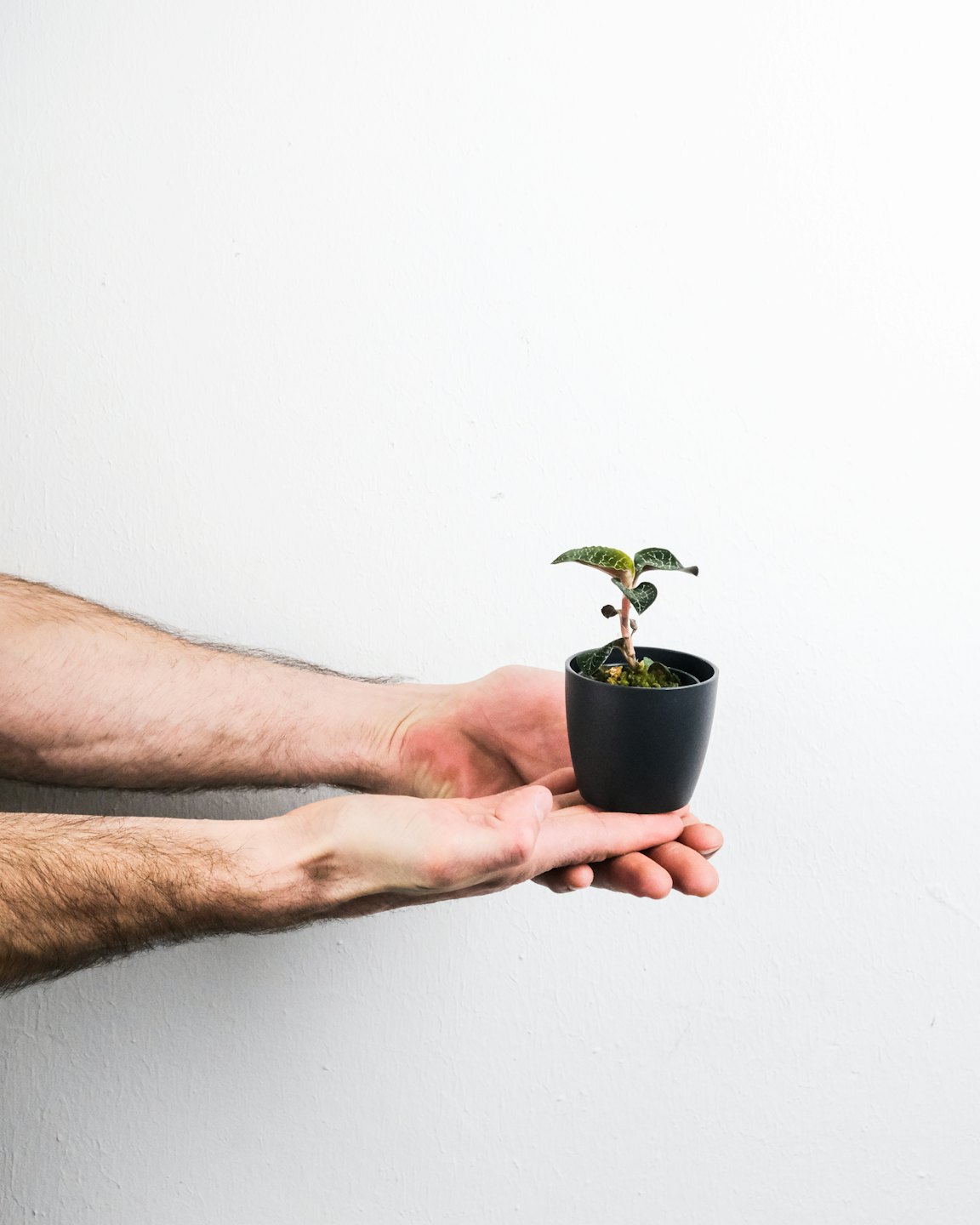
Diagnose plant trouble from evidence instead of treating every yellow leaf with more water or fertilizer.
What this section helps you do
- Make decisions from observable growing conditions.
- Follow repeatable steps instead of guessing.
- Recognize warning signs early and respond safely.
- Keep simple records so care improves over time.
Start with the pattern
Note whether symptoms affect old leaves, new leaves, one side, or the whole plant. Check soil moisture, recent care changes, temperature, drainage, and visible pests before choosing a treatment.
Root and leaf inspection
Healthy roots are firm and pale to tan; rotting roots are dark, soft, and may smell sour. Use a hand lens to inspect undersides of leaves, nodes, and new growth for mites, scale, thrips, or eggs.
Safe response order
Isolate the plant, correct the environmental cause, remove badly damaged tissue with clean tools, then use the least disruptive treatment. Recheck every 4–7 days and document whether new growth improves.
Essential field checklist
- Write down the date, plant name, location, and current conditions.
- Photograph the whole plant and any affected area before making changes.
- Change one major care factor at a time when possible.
- Review the result after 7–14 days and update the care record.